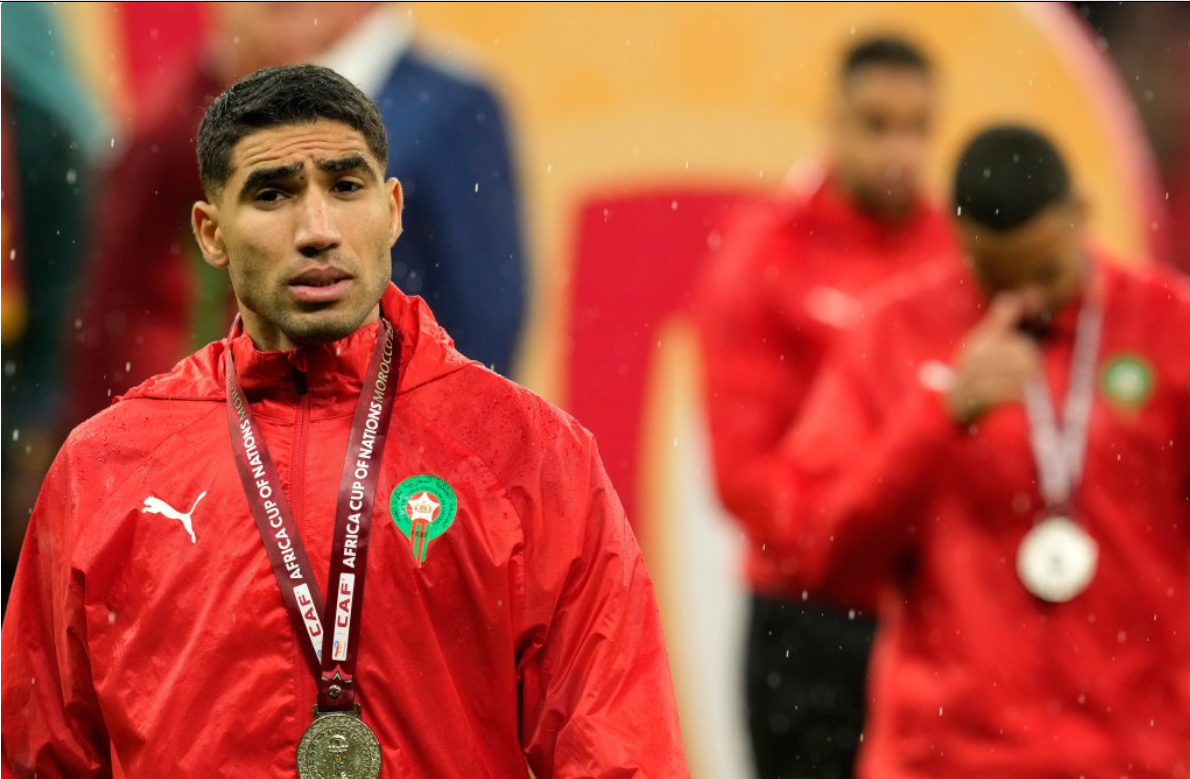
Morocco captain Achraf Hakimi rejects AFCON title amid controversy. Discover what happened, reactions, and what it means for African football.
The headline “Morocco captain Achraf Hakimi rejects AFCON title” has shocked football fans across the world. In a tournament already filled with controversy, this unexpected reaction has added another layer of drama.
The Africa Cup of Nations (AFCON) is one of the most prestigious competitions in international football. But recent events have raised serious questions about fairness, decisions, and leadership.
So why would a captain reject such a historic title? And what does this mean for Morocco, Senegal, and African football as a whole?
Let’s explore.
The AFCON Controversy Explained
The 2025 AFCON final became one of the most debated matches in recent football history.
What Happened in the Final?
- Senegal originally won the match on the pitch
- A controversial refereeing decision sparked protests
- Senegal players briefly left the field
- CAF later overturned the result
This led to Morocco being awarded the title under controversial circumstances.
Why the Decision Sparked Debate
- Many believed the match result should stand
- Critics argued CAF overstepped its authority
- Senegal strongly opposed the ruling
Some experts even described the decision as damaging to football integrity.
Morocco Captain Achraf Hakimi Rejects AFCON Title – The Key Moment
The phrase “Morocco captain Achraf Hakimi rejects AFCON title” reflects a powerful message.
Hakimi’s reaction is seen as:
- A statement of sportsmanship
- A protest against controversy
- A sign of respect for fair competition
Why Hakimi’s Reaction Matters
Hakimi is not just any player—he is:
- A leader of the Moroccan national team
- One of Africa’s top football stars
- A symbol of modern Moroccan football
His stance carries weight far beyond the pitch.
Hakimi’s Leadership and Values
A Captain Who Leads by Example
Hakimi has consistently shown:
- Commitment to his country
- Professionalism at the highest level
- Strong moral values
Even during difficult moments, he has emphasized unity and respect within the team.
Standing for Fair Play
Rejecting the title—whether symbolic or emotional—signals:
- Football should be decided on the pitch
- Integrity matters more than trophies
- Players have a voice in controversial decisions
Reactions from the Football World
The news that “Morocco captain Achraf Hakimi rejects AFCON title” quickly spread across global media.
Fans’ Reactions
- Many praised Hakimi’s honesty
- Others felt Morocco deserved the title regardless
- Some questioned CAF’s decision-making
Expert Opinions
Football analysts highlighted:
- The importance of fair governance
- The risks of controversial rulings
- The need for clearer regulations
CAF’s Role and the Bigger Picture
The Confederation of African Football (CAF) plays a key role in organizing AFCON.
Criticism of CAF
- Accused of inconsistent decisions
- Questions over transparency
- Concerns about governance
Previous Decisions
CAF had earlier rejected attempts to overturn results but still imposed penalties and suspensions on both teams.
This inconsistency has fueled debate.
Impact on Morocco’s National Team
Positive Effects
- Strong team unity
- Global respect for sportsmanship
- Increased visibility
Potential Challenges
- Emotional impact on players
- Pressure in future tournaments
- Expectations from fans
Impact on Senegal
Senegal remains at the center of the controversy.
Key Issues for Senegal
- Feeling of injustice
- Plans to appeal the decision
- Maintaining team morale
The situation is still evolving, with legal challenges expected.
What This Means for African Football
The situation goes beyond one match or one player.
Major Questions Raised
- Should decisions after matches be overturned?
- How should protests be handled?
- What defines fairness in football?
Long-Term Implications
- Need for stronger regulations
- Increased scrutiny of decisions
- Greater role for player voices
- Lessons from the Situation
For Players
- Leadership matters
- Integrity builds legacy
- Actions speak louder than words
For Football Authorities
- Transparency is essential
- Clear rules prevent confusion
- Fairness must come first
Could This Change Football Governance?
The reaction from Hakimi and the global football community may push for change.
Possible Reforms
- Improved VAR and officiating systems
- Clearer disciplinary rules
- Independent review panels
Internal Linking Suggestions
For better SEO performance, link this article to:
- “AFCON 2025 full match analysis”
- “Top African football players in 2026”
- “How VAR decisions impact football”
- “History of AFCON controversies”
FAQ Section
1. Why did Achraf Hakimi reject the AFCON title?
He reportedly reacted to the controversy surrounding the decision, emphasizing fairness and sportsmanship.
2. What caused the AFCON controversy?
The final result was overturned after Senegal players briefly left the pitch during the match.
3. Did Morocco officially accept the title?
While CAF awarded it to Morocco, reactions from players like Hakimi show mixed feelings.
4. Can Senegal appeal the decision?
Yes, Senegal has indicated plans to challenge the ruling legally.
5. What role did CAF play?
CAF made the decision to overturn the result and award the title to Morocco.
6. Is Hakimi’s reaction common in football?
No, it is rare for players to publicly reject or question a title.
7. What happens next?
The situation may go to the Court of Arbitration for Sport, and the final decision could still change.
Conclusion: A Defining Moment for African Football
The story of “Morocco captain Achraf Hakimi rejects AFCON title” is more than just news—it’s a moment that could shape the future of football in Africa.
Hakimi’s stance highlights the importance of:
- Fair play
- Integrity
- Leadership
As the situation continues to unfold, one thing is clear: football is not just about winning—it’s about how you win.