
Discover why “dabi za Tanzania Bara” are growing in obsession, passion and media coverage across the country,
From packed stadiums in Dar es Salaam to electric fan zones in Mwanza, the phenomenon of “dabi za Tanzania Bara” is no longer just about two teams facing off—it’s become a national spectacle. In this article, we dive into the roots, drivers and impact of derby matches on Tanzania mainland, exploring why derby games are more popular than ever and what that means for football fans and society.
Understanding What Derby Matches in Tanzania Mainland Truly Mean
What is a „dabi”?
-
A “dabi” refers to a derby—a match between two rival teams often from the same city or region.
-
On Tanzania mainland, “dabi za Tanzania Bara” typically involve historic clubs like Young Africans SC (Yanga) and Simba SC, but can include other heated rivalries.
-
These derby fixtures carry more than three points—they carry pride, local identity and fan heritage.
Why the focus on Tanzania mainland?
-
The term “Bara” distinguishes mainland Tanzania from Zanzibar; on the mainland these derbies often draw bigger crowds, more media attention and national significance.
-
With expansion of stadium infrastructure and broadcast channels, “dabi za Tanzania Bara” are gaining wider exposure beyond local fans.
Key Drivers Behind the Popularity of Derby Matches
1. Historic Rivalries & Fan Culture
-
Long-standing rivalries between major clubs mean each derby has rich back-stories, memorable moments and emotional weight.
-
Supporter groups bring elaborate chants, tifos (visual displays) and match-day rituals, heightening the atmosphere.
-
Rival fans often view derby days as the highlight of the season—boosting attendance, viewership and community buzz.
2. Media and Broadcast Growth
-
Local broadcasters, online platforms and social media have amplified coverage of “dabi za Tanzania Bara”.
-
Pre-match analysis, fan interviews and live streaming mean derbies reach even fans who cannot attend the stadium.
-
This exposure fuels the cycle: more attention → higher stakes → bigger spectacle.
3. Economic & Commercial Incentives
-
High-profile derby matches attract sponsors, advertisers and larger gate revenues—clubs invest more in marketing.
-
Merchandising around derby games (shirts, scarves, fan-gear) becomes more profitable.
-
For cities hosting derby fixtures, local businesses (vendors, transport, hospitality) benefit from the increased traffic.
4. National Identity & Social Impact
-
Derby matches resonate beyond clubs—they bring together communities, regions and social groups.
-
For many Tanzanians, supporting in a derby embodies local loyalty, cultural identity and shared history.
-
The excitement of “dabi za Tanzania Bara” contributes positively to the popularity of football nationwide, inspiring youth participation.
Major Examples of Derby Matches on Tanzania Mainland
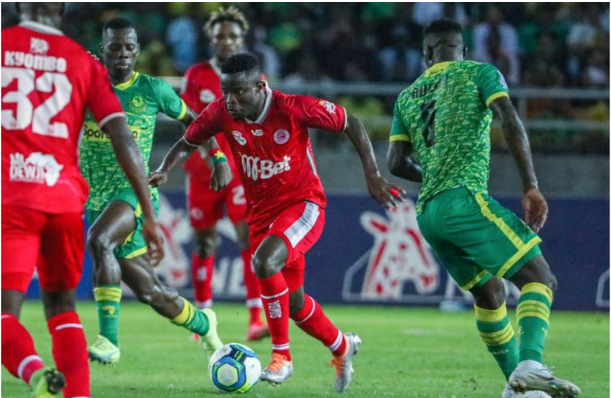
The “Kariakoo Derby” (Yanga vs Simba)
-
Played in Dar es Salaam, often at Benjamin Mkapa Stadium, this derby is among the most watched in East Africa.
-
The match is a focal point each season: intense rivalry, large fan presence, and significant media coverage.
-
Its popularity helps drive awareness of “dabi za Tanzania Bara” both locally and regionally.
Emerging Derby Fixtures
-
Beyond the top two clubs, matches between second-tier major clubs in different regions are gaining heat—reflecting the spread of derby culture across Tanzania.
-
With improved infrastructure in cities like Mwanza, Arusha and Mbeya, local derbies are becoming events in their own right.
What the Surge in Derby Popularity Means for the Future
Opportunities
-
Youth development: Young players gain experience in high-pressure derby settings, helping improve overall league quality.
-
Commercial growth: More sponsorship, better stadium experiences and increased broadcast rights lead to financial uplift for clubs.
-
Fan engagement: Football becomes more than a game—it becomes community celebration, encouraging more fan participation across Tanzania.
Challenges
-
Security & safety: Big derby events can spark crowd control issues; effective planning is essential to maintain order.
-
Competitive balance: If derbies dominate attention, smaller clubs may struggle to develop their brands and fan bases.
-
Sustainable infrastructure: Stadiums, transport and facilities must scale to meet the growing derby demand.
The phenomenon of “dabi za Tanzania Bara” is a clear signal that football in Tanzania mainland is evolving—from local matches to national spectacles. With historic rivalries, fan passion, media amplification and commercial support converging, derby games are fast becoming the highlights of each season. As Tanzania continues to embrace these high-stakes fixtures, the potential for growth in sport, business and community bonding is enormous. To capitalise on this momentum, stakeholders—clubs, broadcasters, local authorities and fans—must collaborate to ensure that the excitement remains safe, inclusive and sustainable.